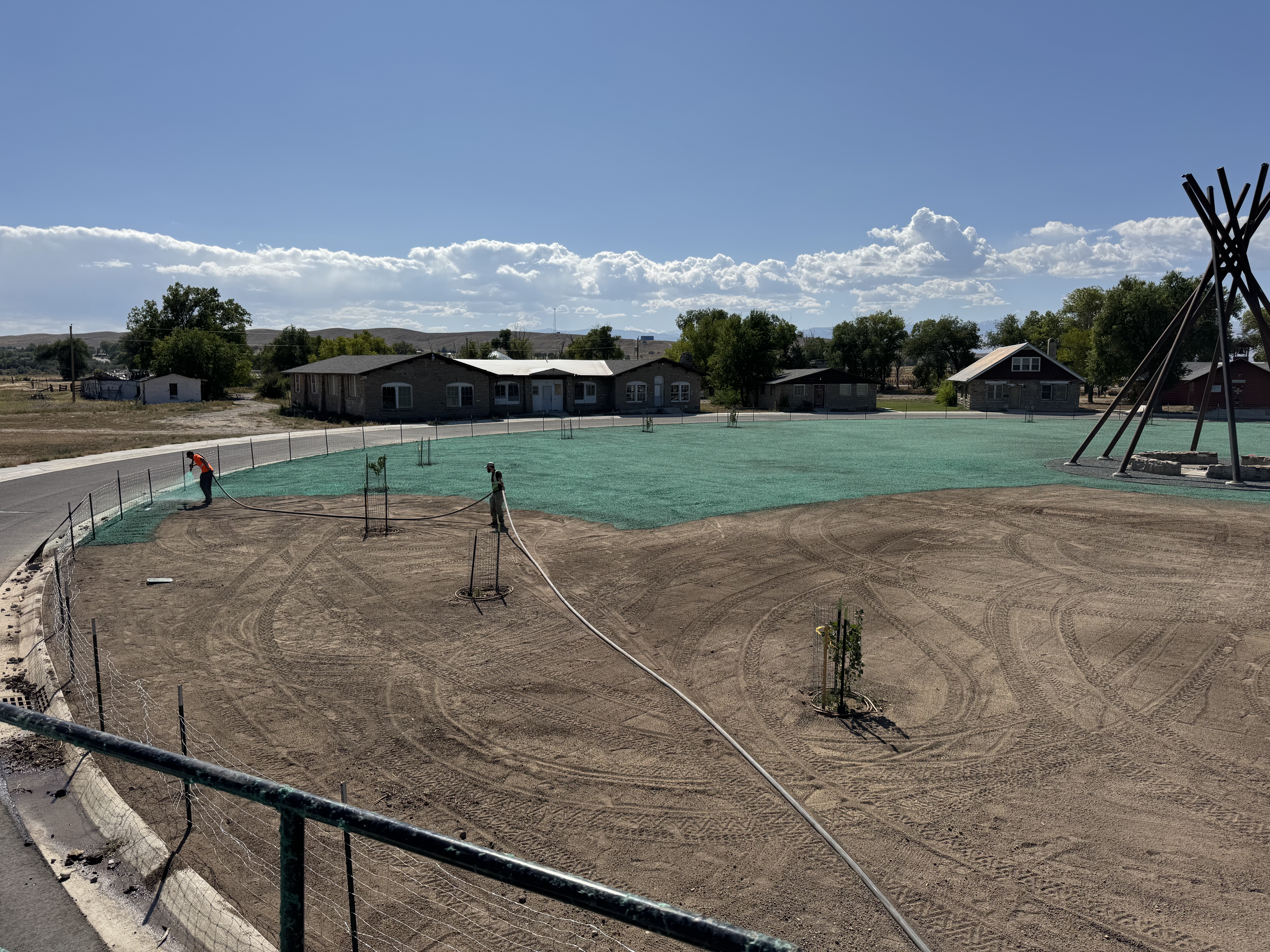
The Future of Landscapes: How Technology is Shaping Modern Hardscaping Dec 16, 2025
The trajectory of hardscaping is being notably influenced by automation and smart technology. Automated irrigation systems, for instance, are becoming increasingly sophisticated, allowing for precise water management that conserves resources while ensuring that plants thrive. These systems are often equipped with sensors and weather data integration, which means they can adjust according to climatic changes, reducing water waste and optimizing plant health.
Drones are another innovative technology entering the landscape arena. When it comes to site analysis, drones provide detailed aerial views, which aid in planning and design. They also offer the ability to monitor large-scale projects more effectively than traditional methods. With their capability to capture high-resolution images, drones allow companies like Big Horn Hydroseeding to assess properties and provide clients with a visual representation, fostering a deeper understanding of the project’s scope and expectations.
3D modeling and augmented reality (AR) have become indispensable tools in modern hardscaping designs. These technologies enable designers to create life-like visualizations of proposed landscape projects, offering clients an immersive experience of their future outdoor space. This not only enhances customer satisfaction by allowing them to visualize the end result but also aids in making informed decisions on design options and materials.
Moreover, sustainable materials and eco-friendly practices are gaining traction in the hardscaping industry. Recycled materials are being increasingly used, reducing the environmental footprint of landscaping projects. Technologically advanced permeable surfaces, which allow water to pass through, mitigate runoff and flooding, promoting a healthier ecosystem. These sustainable innovations align with Big Horn Hydroseeding’s commitment to environmentally responsible practices.
Incorporating these technologies doesn’t just make landscapes smarter—it also streamlines the workflow for landscaping professionals. For example, the use of GPS-guided equipment enhances precision in hardscaping tasks, reducing the time and manpower required. This increased efficiency means that projects can be completed quicker and more accurately, directly benefiting both the business and its clients.
However, while technology offers numerous benefits, it also necessitates a shift in skills and expertise. Companies must invest in training their workforce to effectively use new tools and technologies. Big Horn Hydroseeding is committed to continuous learning and adaptation to stay at the forefront of the industry, ensuring that their team can deliver top-notch services that meet modern demands.
In conclusion, the future of hardscaping is bright with opportunities for innovation and improvement. By leveraging technology, companies can not only enhance the quality of their landscapes but also embrace more sustainable and efficient practices. For Big Horn Hydroseeding, this evolution translates into offering superior services tailored to the needs and vision of their clients. As technology continues to advance, so too will the possibilities for creating stunning, functional outdoor spaces that harmonize with the environment. In embracing this future, the landscape industry stands poised to create a smarter, more sustainable world.
/filters:no_upscale()/filters:format(webp)/media/6dbd581a-3c48-4cfd-867c-2fd2651afb24.jpeg)
/filters:no_upscale()/filters:format(webp)/media/e89a518a-3095-4870-9aea-1e4dfaf34dd5.jpeg)