Pollinator Havens: Creating Wildlife-Friendly Gardens with Hydroseeding May 11, 2026
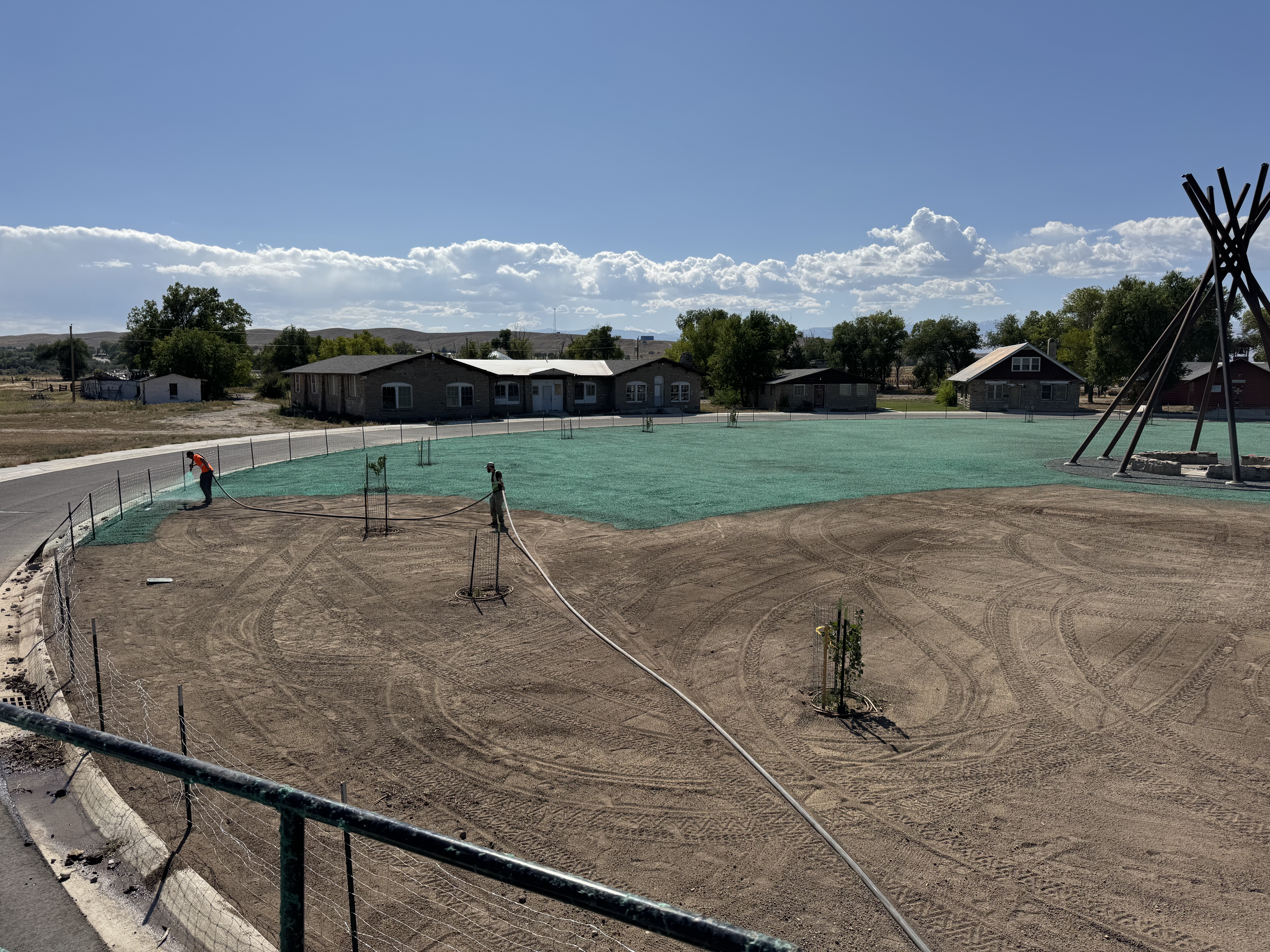
For those who might be unfamiliar, hydroseeding is a planting process that uses a slurry of seed and mulch to promote rapid growth of lush landscapes. This process not only covers large areas quickly but also supports eco-friendly practices by utilizing natural materials. Opting for hydroseeding in your garden allows you to strategically include native plants that attract pollinators.
Plants native to your region have evolved alongside local wildlife, making them the best choice for supporting pollinators. They offer the right kind of nectar and pollen needed to keep your garden buzzing with life. At Big Horn Hydroseeding, our experts can help you select a diverse range of native seeds perfect for your local climate and conditions, ensuring a garden that blooms throughout the year.
When creating wildlife-friendly gardens, consider mixing various flower species with staggered blooming periods. This provides a consistent food source for pollinators across seasons. Integrating a variety of textures and colors not only enhances the visual appeal of your space but also caters to different pollinator preferences. For example, bees are generally attracted to blue, purple, and yellow flowers, while butterflies seek out bright blooms.
Another essential aspect of creating a pollinator haven is reducing or eliminating the use of pesticides. Pesticides can be detrimental to pollinator populations. By choosing hydroseeding, you create a thick, lush ground cover that naturally suppresses weeds, potentially decreasing the need for harmful chemicals. Big Horn Hydroseeding emphasizes sustainable practices to ensure that your garden thrives harmoniously with nature.
Watering is vital, particularly in the first few weeks after hydroseeding. Adequate moisture helps germinate seeds and fosters early plant development. Once established, native plants adapted to local conditions require less irrigation, making them more sustainable in the long run. Strategic placement of water features, like shallow bird baths, can further attract and support your intended wildlife guests.
Moreover, leaving some garden elements untouched is beneficial. Consider letting an area of your garden grow more natural. By allowing some brush, fallen leaves, and twigs to accumulate, you create habitats for beneficial insects and ground-nesting pollinators. This complements the structured beauty of your pollinator garden, adding layers of functionality that appeal to a broader spectrum of species.
In conclusion, hydroseeding presents a strategic way to turn your yard into a lush, vibrant, and wildlife-friendly space. Through careful plant selection, responsible landscaping practices, and a focus on creating ecological balance, you can enjoy a stunning garden that serves as a sanctuary for pollinators. At Big Horn Hydroseeding, we take pride in helping you transform your outdoor areas into thriving ecosystems that support biodiversity. Let's work together to make every garden a haven for wildlife.
/filters:no_upscale()/filters:format(webp)/media/6dbd581a-3c48-4cfd-867c-2fd2651afb24.jpeg)
/filters:no_upscale()/filters:format(webp)/media/e89a518a-3095-4870-9aea-1e4dfaf34dd5.jpeg)