Hydroseeding Innovations: Pioneering New Standards in Erosion Control Jan 01, 2026
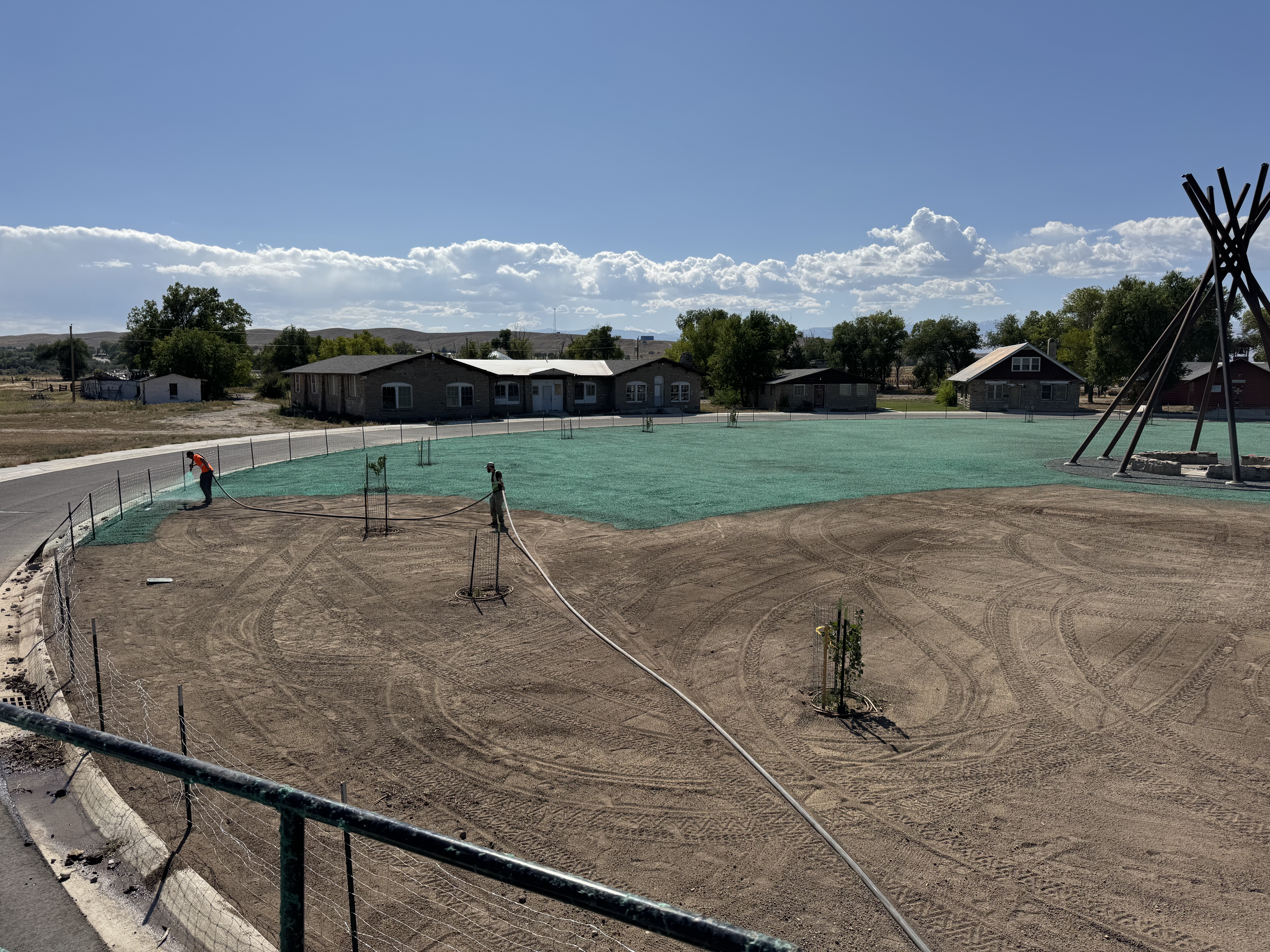
Hydroseeding has traditionally been valued for its cost-effectiveness and efficiency in establishing vegetation over large areas. However, its role in erosion control has become increasingly vital, especially in light of environmental challenges such as soil degradation and climate change. Erosion can have devastating impacts, from losing fertile topsoil to compromising water quality. With its capacity to provide a rapid, uniform plant cover, hydroseeding offers an effective barrier against erosion.
One of the exciting innovations in hydroseeding is the introduction of enhanced seed mixes. These mixes include native grasses, wildflowers, and legumes specifically selected to thrive in particular climates and soil conditions. The diversity in these seed blends promotes a more resilient ecosystem, which is crucial for long-term erosion control. Big Horn Hydroseeding employs site-specific analysis to determine the best seed blend for each project, ensuring a successful outcome tailored to the environment.
Another breakthrough is the development of high-performance hydromulch. Traditional hydroseeding blends consist of water, seed, and mulch. Today’s advanced formulations combine specialized hydromulch to improve soil adhesion and moisture retention. These hydromulches often incorporate organic fibers and tackifiers that enhance their ability to stay in place during heavy rainfalls. By effectively anchoring the soil, they minimize the risk of erosion during the critical germination period.
Technology has also played a pivotal role in pioneering new standards in hydroseeding. Drones and remote sensing technologies are transforming how projects are assessed and monitored. By providing precise mapping and ongoing site analysis, these technologies allow for more accurate application and real-time adjustments. Big Horn Hydroseeding leverages these tools to improve efficiency and ensure optimal plant establishment with minimal environmental disturbance.
Furthermore, the integration of hydroseeding with other erosion control methods has driven its effectiveness. Techniques such as silt fencing, erosion control blankets, and sediment basins work synergistically with hydroseeding to provide comprehensive erosion management. These combined strategies not only protect the immediate landscape but also contribute to the broader ecosystem's stability.
For property managers and developers, adopting these innovative hydroseeding practices offers numerous benefits. It complies with increasingly stringent environmental regulations, enhances the aesthetic value of projects, and promotes sustainable land use. Additionally, as hydroseeding contributes to healthier soil and plant ecosystems, it supports biodiversity and improves wildlife habitats.
In conclusion, hydroseeding innovations are not just about preventing erosion—it's about creating a sustainable, green foundation for the future. Big Horn Hydroseeding remains committed to pioneering these advanced methods, offering bespoke solutions that meet the evolving needs of the environment and the clients they serve. By focusing on scientifically backed techniques and embracing technology, hydroseeding continues to prove itself as an indispensable tool in modern land management.
Whether you're tackling a commercial development or enhancing a residential landscape, these cutting-edge hydroseeding solutions ensure integrity and resilience of your land. By choosing Big Horn Hydroseeding, you're not just managing erosion—you're investing in the future of your landscape.
/filters:no_upscale()/filters:format(webp)/media/6dbd581a-3c48-4cfd-867c-2fd2651afb24.jpeg)
/filters:no_upscale()/filters:format(webp)/media/e89a518a-3095-4870-9aea-1e4dfaf34dd5.jpeg)