Eco-Forward Landscapes: The Role of Hydroseeding in Sustainable Urban Development Jun 30, 2026
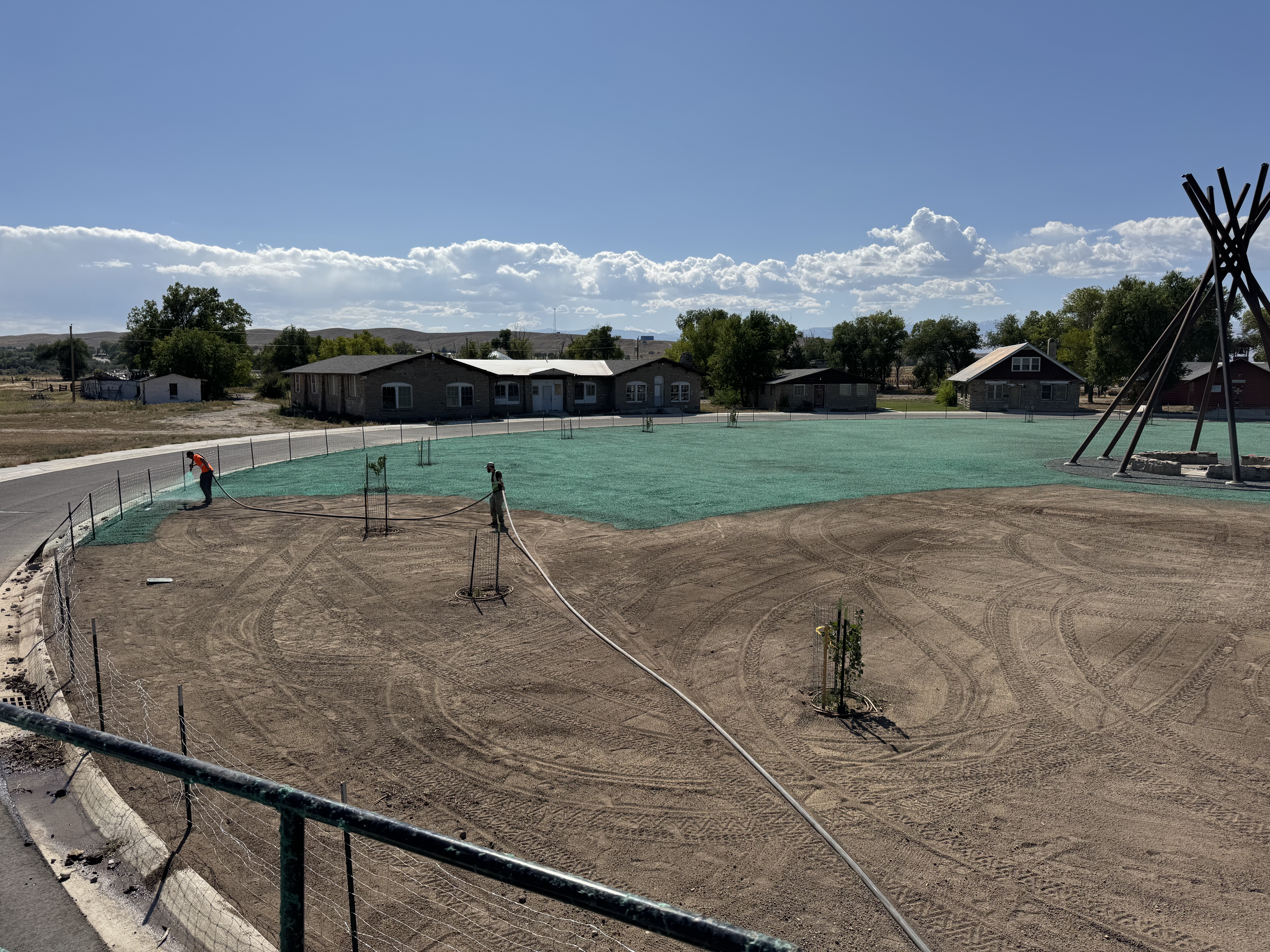
Hydroseeding, a process where a mixture of seed, mulch, fertilizer, and water is sprayed onto the soil, offers numerous benefits for sustainable urban development. Compared to traditional seeding methods, hydroseeding is more efficient and often results in faster germination and quicker plant establishment. This is particularly advantageous in urban settings where time and space are often limited.
One of the primary advantages of hydroseeding is its ability to conserve resources. The process uses significantly less water than sod installation, making it a more environmentally friendly choice. In cities facing water scarcity, this can make a substantial difference. Moreover, hydroseeding requires fewer inputs of labor and materials, thus reducing the overall environmental footprint of a landscaping project.
In terms of improving urban ecosystems, hydroseeding can enhance soil stability and reduce erosion. This is critical in urban areas where soil erosion can lead to problems such as increased flooding and pollution of waterways. By establishing vegetation that anchors the soil, hydroseeding helps to maintain healthy soil structure and fosters a more resilient ecosystem.
Beyond its ecological benefits, hydroseeding also offers economic advantages. The method is cost-effective, especially when considering large areas, making it an attractive option for both public and private sectors. For developers and city planners looking to incorporate green spaces within their projects, hydroseeding provides an affordable solution without compromising on quality or sustainability.
The versatility of hydroseeding further enhances its appeal. It can be used in various settings, from residential lawns and commercial landscapes to parks and public spaces. This adaptability is essential for urban areas where diverse landscape requirements must be met. By choosing hydroseeding, landscape managers can efficiently tailor their efforts to meet specific environmental goals, whether it be improving air quality, increasing biodiversity, or creating aesthetically pleasing environments.
Community involvement can also play a role in sustainable urban development through hydroseeding. Encouraging residents to participate in green projects fosters a sense of ownership and pride in local green spaces. This, in turn, can lead to better maintenance and higher community engagement with urban ecosystems.
In conclusion, hydroseeding represents a significant step forward in promoting sustainable urban landscapes. It supports eco-friendly practices by conserving water, reducing erosion, and cutting down on costs, all while providing beautiful green spaces that enhance urban life. Big Horn Hydroseeding is committed to aiding urban growth in an environmentally responsible way, ensuring that cities can thrive without sacrificing their ecological commitments. As urban populations continue to soar, choosing methods like hydroseeding will be crucial in shaping the sustainable cities of the future.
/filters:no_upscale()/filters:format(webp)/media/6dbd581a-3c48-4cfd-867c-2fd2651afb24.jpeg)
/filters:no_upscale()/filters:format(webp)/media/e89a518a-3095-4870-9aea-1e4dfaf34dd5.jpeg)