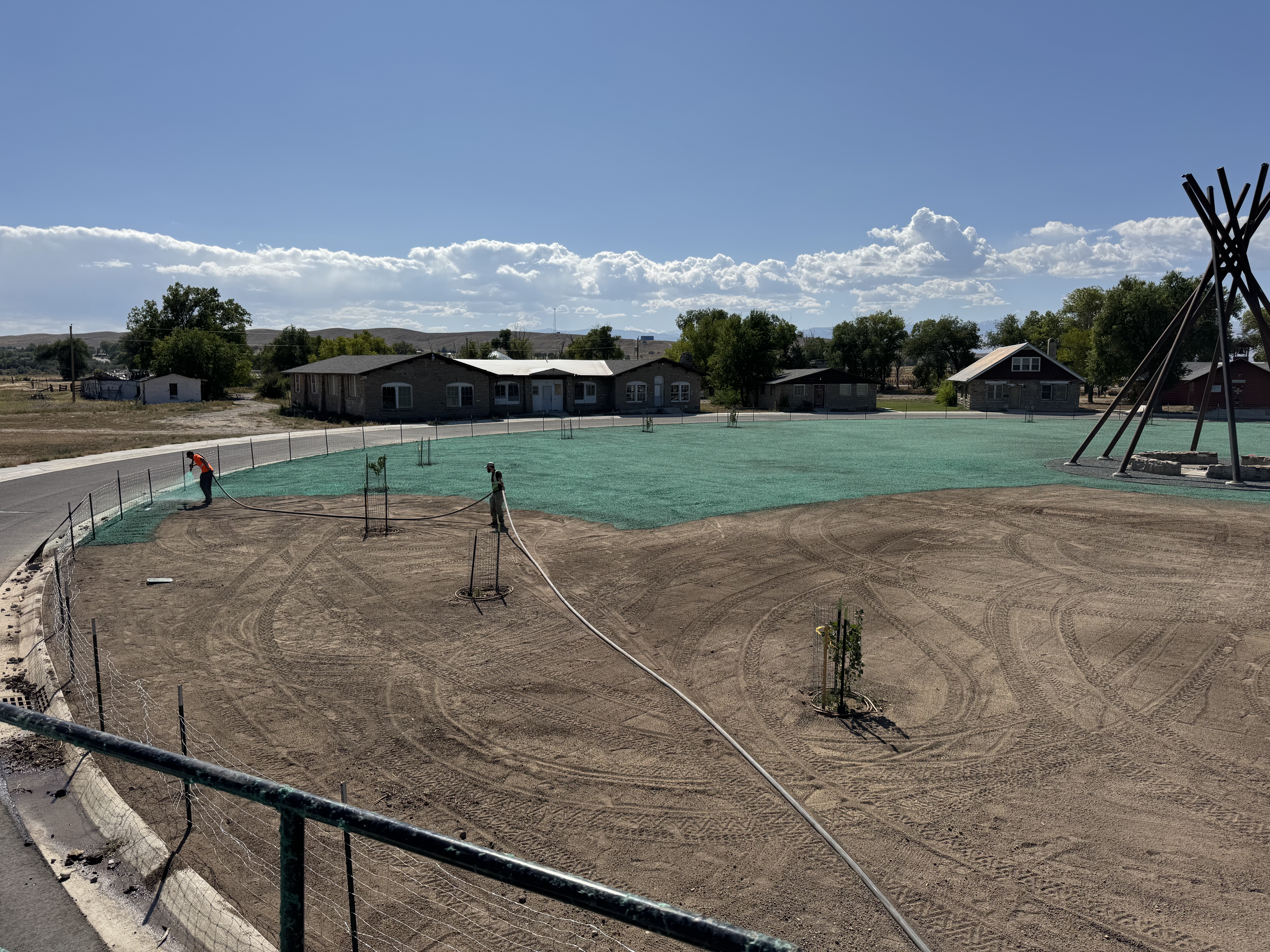
Beyond Borders: Integrating Hardscape Elements into Open Spaces Mar 03, 2026
Understanding the Basics of Hardscaping
Before diving into integration, it's essential to grasp the basics of hardscaping. Hardscape refers to the non-living elements of landscaping such as walkways, patios, walls, and structures like pergolas and fire pits. These elements provide structure and definition while complementing the natural, softer aspects of landscaping, such as plants and lawns.
Designing with Purpose
The first step in integrating hardscape elements is design. Consider the overall purpose of your outdoor space. Are you creating a space for entertaining friends and family, or do you need a quiet retreat for relaxation? Understanding your needs will guide the selection of hardscape features. For example, a spacious patio with comfortable seating and a fire pit is ideal for social gatherings, while a cozy bench tucked away in a corner surrounded by greenery offers solitude and peace.
Choosing the Right Materials
Material selection is crucial for successful hardscape integration. At Big Horn Hydroseeding, we recommend choosing materials that complement both the environment and your home’s architecture. Natural stone, brick, and wood are excellent choices that blend seamlessly with open spaces. These materials not only enhance the aesthetic appeal but are also durable and designed to withstand varying weather conditions, ensuring longevity.
Creating Seamless Transitions
One of the keys to successful integration is ensuring seamless transitions between hardscape and landscape elements. This can be achieved by using similar color palettes or by incorporating curves and natural lines that mimic the landscape’s existing shapes. For instance, a curved stone pathway that winds through a garden can lead the eye naturally while providing accessibility.
Incorporating Multi-Functional Elements
When planning hardscape integrations, consider multi-functional elements that serve more than one purpose. For example, a retaining wall can also double as seating, or a water feature can provide both visual interest and a soothing auditory backdrop. Elements like these add functionality to your space, optimizing every square foot.
Sustainability Considerations
Incorporating sustainability into your hardscape design can enhance both beauty and function. Permeable pavers, for example, allow water to seep through, reducing runoff and helping to replenish groundwater supplies. Selecting native plants alongside hardscape elements can conserve water and create a balanced ecosystem.
Maximizing Visual Appeal with Lighting
Don’t underestimate the power of lighting in hardscaping. Well-placed lights can highlight architectural features and increase safety. Consider solar-powered or LED options to create ambiance while maintaining energy efficiency. A softly illuminated path or strategically lit pergola can magnify beauty while extending usability into the evening hours.
Concluding Thoughts
Integrating hardscape elements into open spaces offers endless possibilities for enhancing outdoor living areas. With thoughtful planning, the right materials, and a seamless blend of form and function, your yard can become a true extension of your home. At Big Horn Hydroseeding, we’re committed to helping you create spaces that exceed your expectations. Transform your outdoors with us and enjoy the perfect blend of nature and structure.
With these insights and inspirations, you're equipped to embark on your own hardscape journey. Consider consulting with professionals for personalized advice and to ensure your project aligns perfectly with your vision. The perfect outdoor oasis is within reach, promising both beauty and utility for years to come.
/filters:no_upscale()/filters:format(webp)/media/6dbd581a-3c48-4cfd-867c-2fd2651afb24.jpeg)
/filters:no_upscale()/filters:format(webp)/media/e89a518a-3095-4870-9aea-1e4dfaf34dd5.jpeg)